Reflective Journal
I have created a blog as a reflective journal: to record experimentations with sound design along with reflections and critical analysis. I decided to use my personal website firstly, to create a public record and secondly, to facilitate the ongoing development of the website.
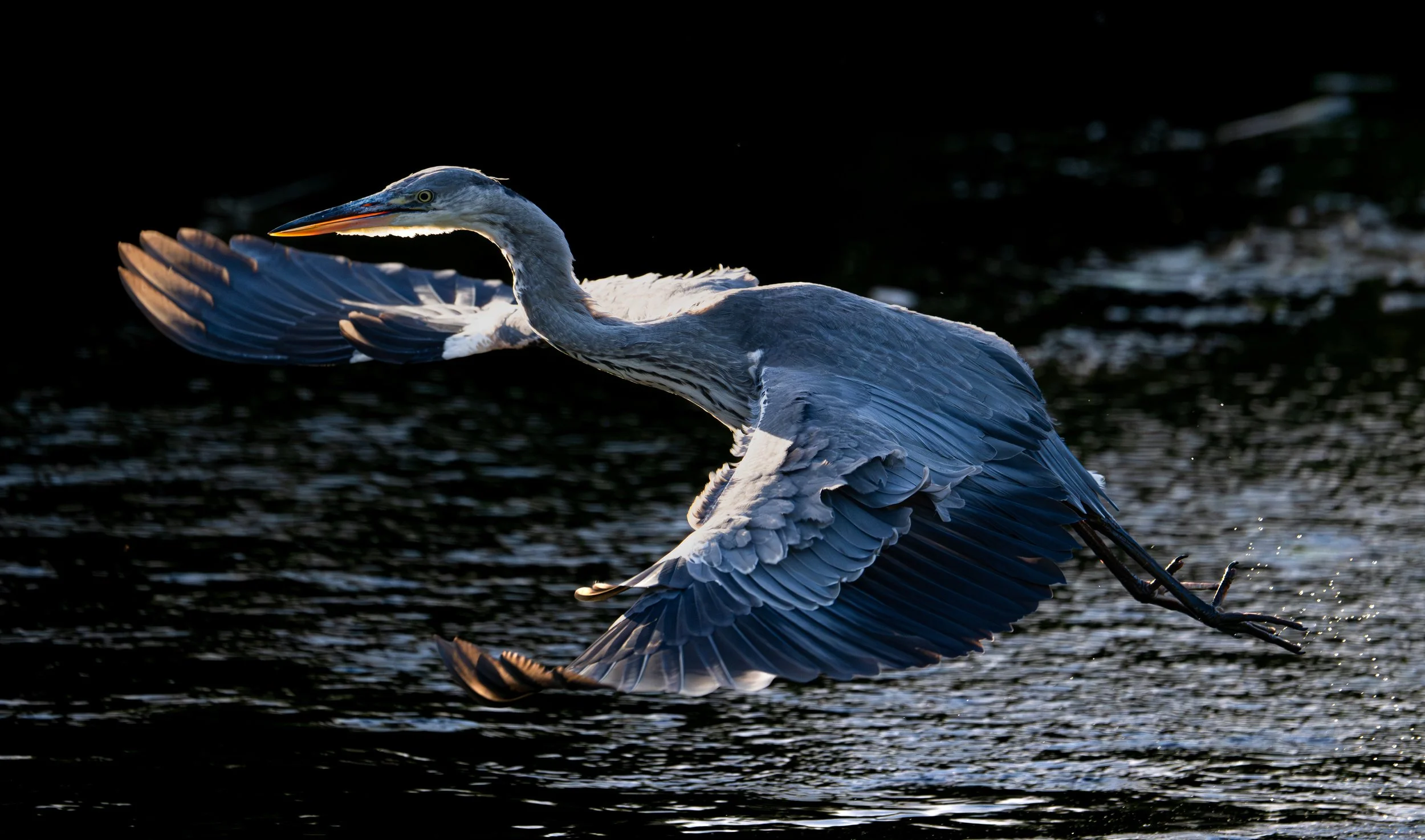
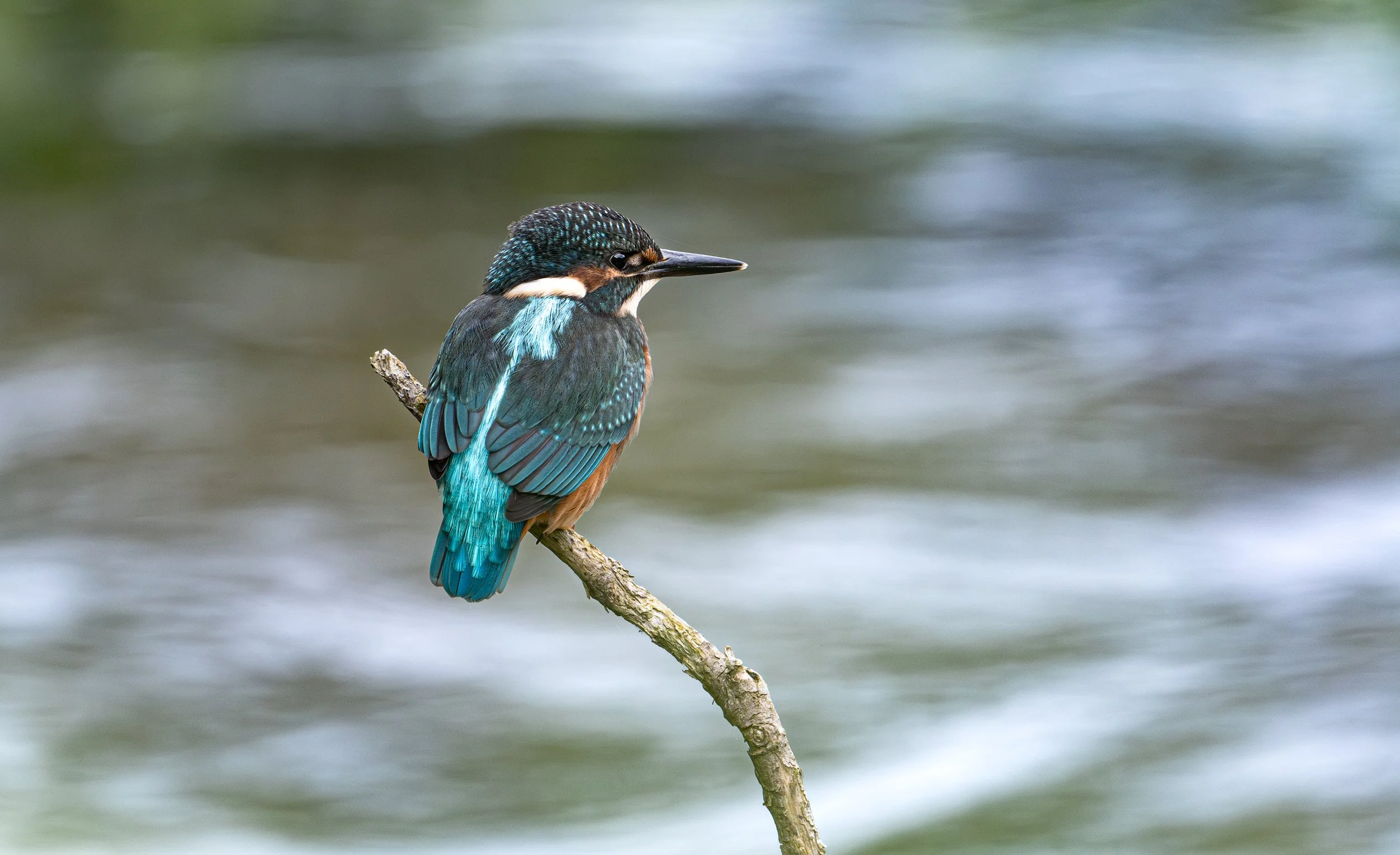
Artist Statement
I have worked for over 45 years in health and social care, now retired, I have returned to an earlier interest in photography- in particular, of wild places and the birds and animals which live there. In September 2025 I started full time study at Cumbria University undertaking a MA in Creative Media.
The foundation of my artistic style is the use of strong composition, natural light, natural sound and an intimacy with upland environments.
I create wildlife films and sound stories which are immersive, self-reflective and slow paced. My approach is to show rather than tell; letting nature narrate its own story.
The ethics and integrity of the work are important to me- all images and sound are authentic and as described and I strictly adhere to best practice in the recording of wildlife (BBC Editorial Policy, 2025).
“I listen, that’s what I do. I just listen and let the sounds appear, let them speak for themselves and tell their story.” (Watson, 2022, quoted in McEvoy, 2022)
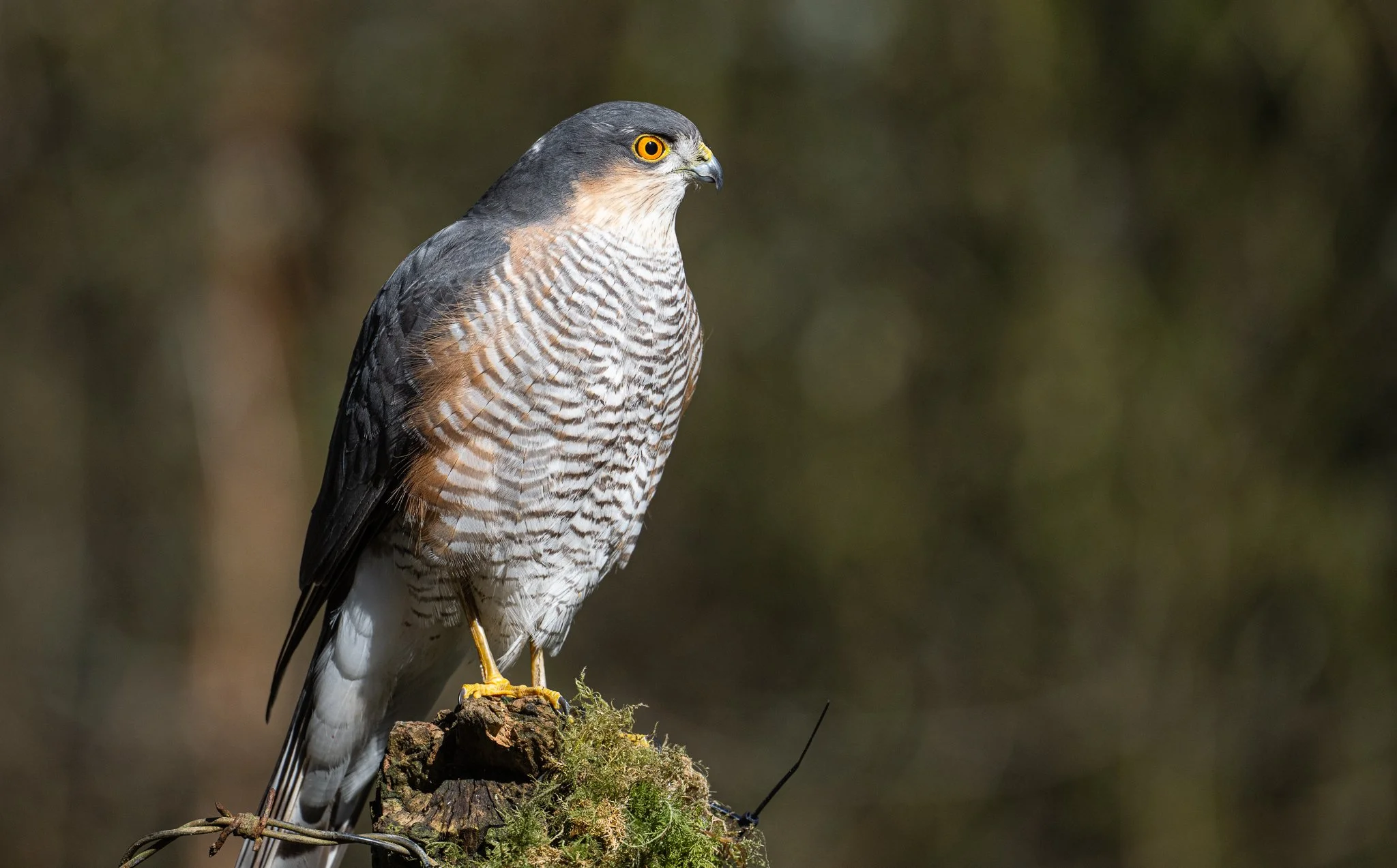
A contretemps between a male and female sparrowhawk over food

Woodpecker family, Haweswater, Cumbria
Influences:
My visual aesthetic is influenced by the work of Sebastião Salgado and Vincent Munier which is complemented by the sound artistry of Chris Watson
Vincent Munier: https://www.vincentmunier.com/vincent-munier/
A French photographer and videographer, three-time winner of the BBC Wildlife Photographer of the Year Award and was given the César Award for his documentary on snow leopards: The Velvet Queen. Munier has complemented his photographic artistry with a deep understanding of the natural world and its wildlife and has, as a result, captured images which are both intimate and beautiful. He has been criticised by some for not explicitly using his skills to raise the environmental and climate issues faced by his subjects. Munier responses that he is promoting a deeper connection with nature which is based on respect and wonder: “…the encounter with an animal can sometimes be a kind of prayer…” (except from Interview with Munier about Le Chant des Forêts, Interviewer Sebastian Wells, ZFF Zurich Film Festival.) Available at: https://www.youtube.com/watch?v=Kic1taELyes
Sebastião Salgado: https://www.theguardian.com/global-development/2024/feb/08/photographer-sebastiao-salgado-at-80-they-say-i-was-an-aesthete-of-misery
An uncompromising and multi award winning Brazilian photojournalist who died in May 2025. Like Munier he has been criticised for the beauty of his photographs while depicting awful human tragedies of famine, war and migration. Salgado saw no contradiction in portraying his subjects, even in the most desperate of times, as having dignity, depth and character.
The responses of Munier and Salgado to the criticism of their narrative style is pertinent to the development of my own self-reflected, non-curated narrative: letting nature speak for itself.
Chris Watson: https://chriswatson.net/
A BAFTA awarded sound recordist who is closely associated with the BBC films narrated by David Attenborough. I was particularly struck by his use of soundscape commissioned by the National Gallery- Painting in Sound: https://www.bbc.co.uk/programmes/b01bllx9 Listening to this broadcast was the direct inspiration for this module- my first experience of a wildlife narrative using only sound.
Module Proposal
Purpose: to develop the use of sound in storytelling, both standalone and to accompany video.
Focus: will be on immersive natural sounds—weather, wildlife, macro landscape (eg rivers) and micro (eg ice melting, birdsong etc), and to layer and mix. In line with my broader developmental thinking about narrative I want the output to be non-curated ie no dialogue, annotation or music- like a piece of classical music it will be for the listener to engage and imagine.
Subject: an immersive soundscape of a mountain environment: North Pennines.
NB the references made with the text are collated on a separate blog page.