Nature-Led Narrative (2)
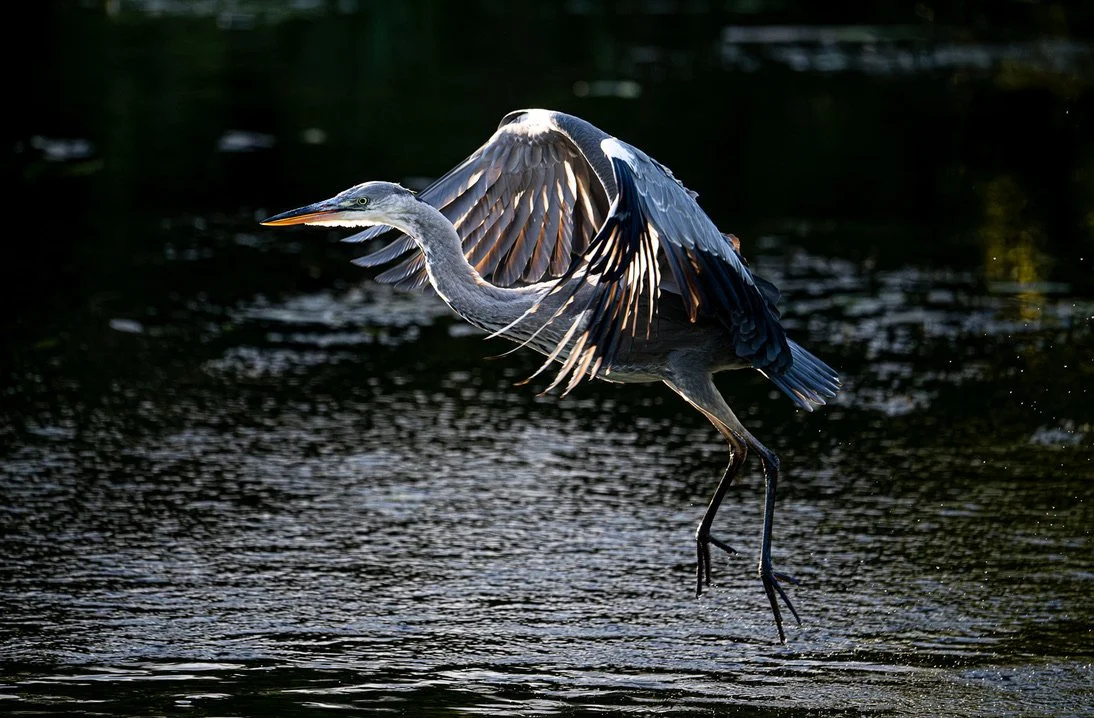
Heron taking off
I have used the research-through-practice modules of the Creative Media Masters course to explore and develop my own narrative style as a filmmaker and sound recordist.
It can be summarised as:
A conceptual approach that encourages the viewer to think, to take notice and be absorbed by the aesthetics of the sights and sounds of wildlife. It is more about showing rather than telling; for the viewer to feel immersed and being reflective, to leave enchanted. Any disturbance to the wildlife is minimised and their wild identity is respected without the projection of human characterisations. Technology, recording and editing are similarly unobtrusive with the filmmaker acting as an invisible hand. In the absence of music nature provides its own soundtrack.
The filming style has been influenced by a number of non-wildlife filmmakers:
The director, Yasujurō Ozu, created a precise, contemplative narrative style which explored the pathos of everyday life in post war Japan. Typically, in films such as Late Spring (1949) he keeps the camera still, the camera action unnoticed, affording the viewer the opportunity to observe and reflect. Each composition is like a stage on which the actors, or in my case, the wildlife, enter, exit and interact. To keep the storytelling stripped back, Ozu used elliptical editing, often referred to as “pillow shots” to sequence scenes by cutting away to landscapes or moving trains, seeing no necessity for additional, intermediate scenes.
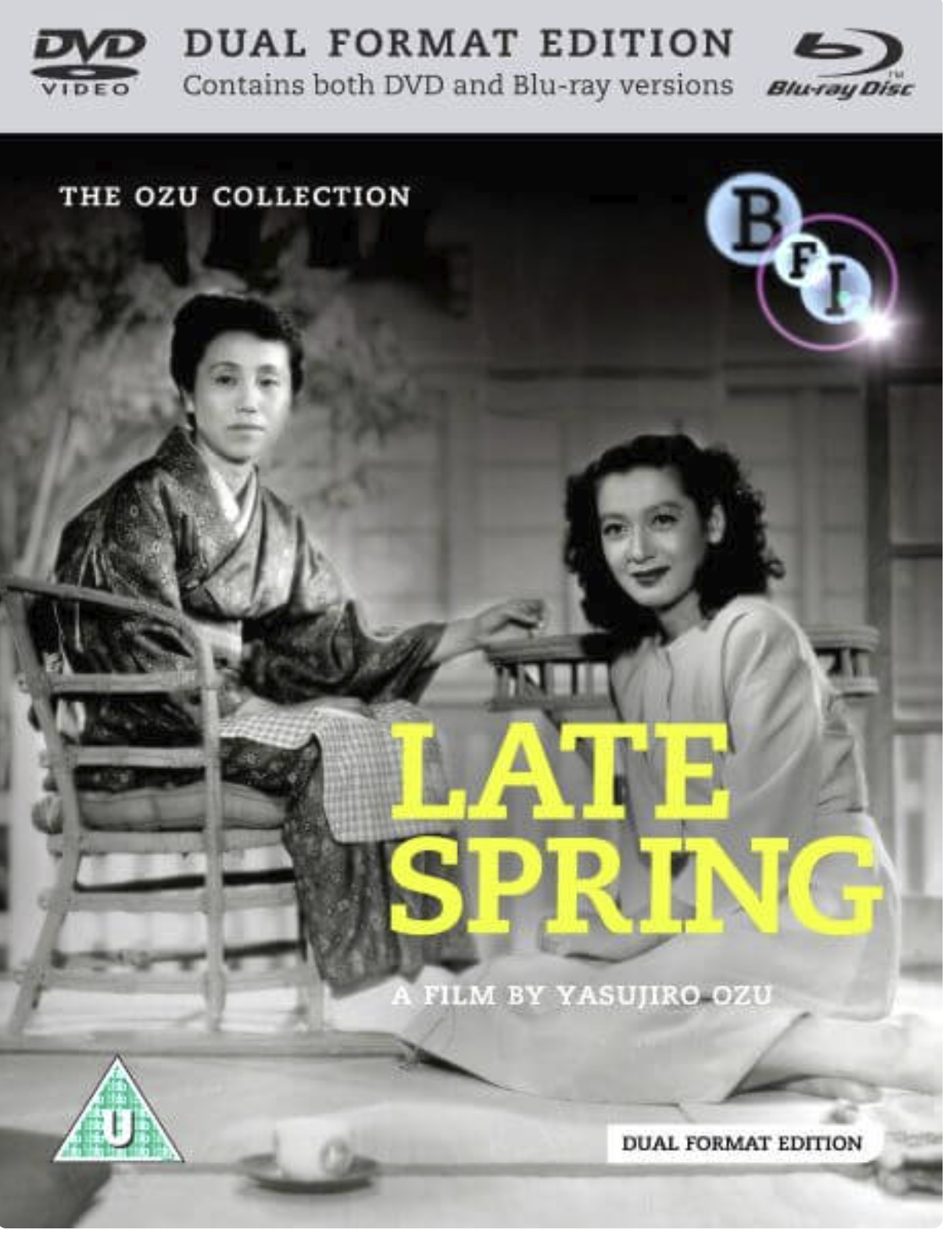
Late Spring Poster
Similarly, the techniques of the cinematographer, Ron Fricke in the groundbreaking feature length films: Koyaanisqatsi (1982) and Baraka (1992). Both eschew narration and dialogue and instead use strong, stylistic visuals to convey pathos, time and scale. In particular his use of timelapses create an immersive engagement with the location and at the same time chaotic, crowded, rush of human life. Fricke describes what he refers to as “undercranking” as a way of revealing an “essence” of a place. Pacing and flow was further enhanced by a carefully crafted musical score with its perfectly matched time signature.
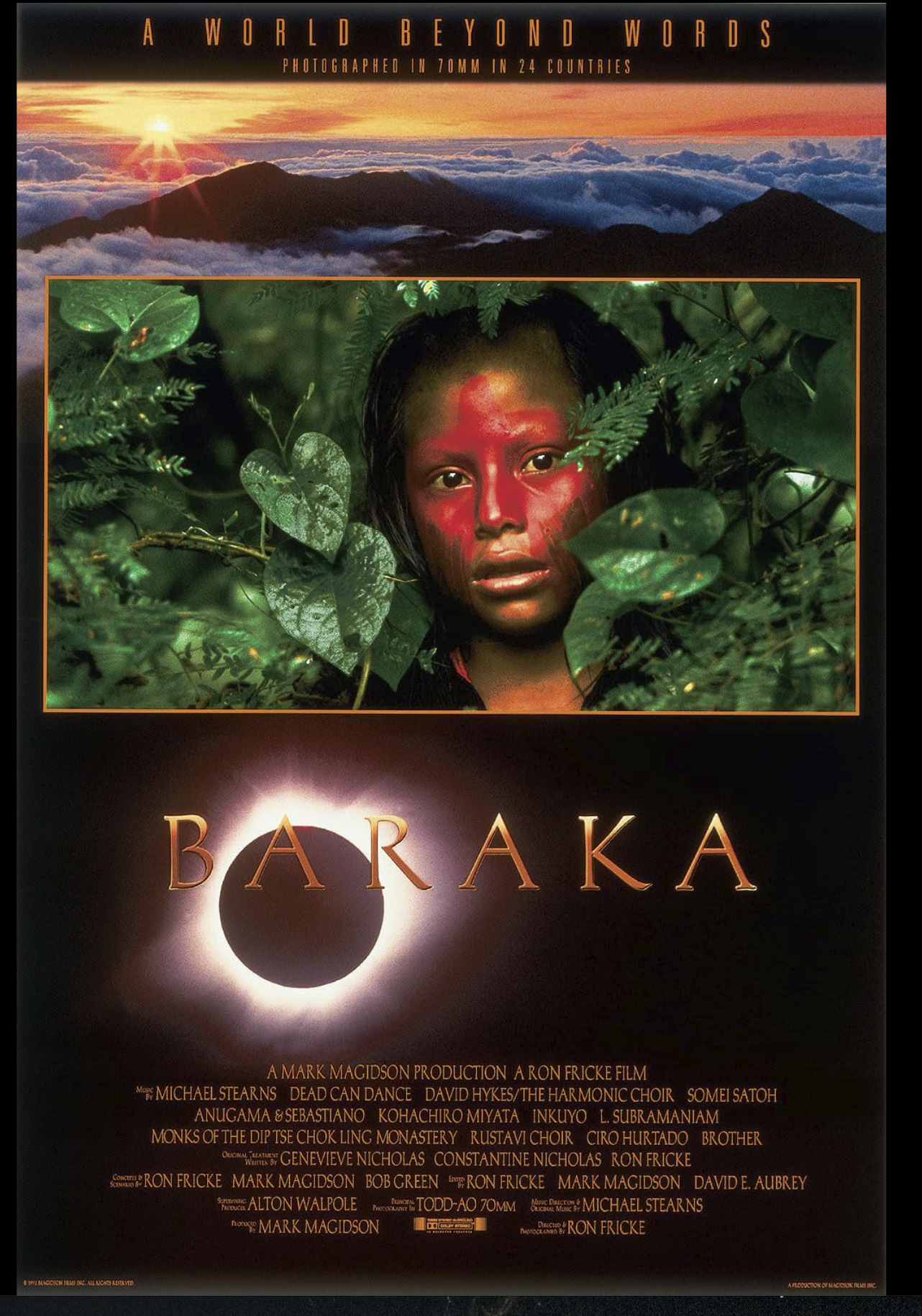
Baraka film poster
The documentary cinematographer Kirsten Johnson collated a film of her own work, Camera Person (2016), in a style Peter Pradshaw writing in The Guardian (2017) referred to as a “collage-film”.
https://www.theguardian.com/film/2017/jan/26/cameraperson-review-kirsten-johnson
Contrasting with Hannah Gill’s term “scrapbook” writing for the British Film Institute:
I find both descriptions relevant to my own thoughts about the challenge collating a diverse range of immersive and somewhat disconnect clips, how to link them within a coherent sequence. Cameraperson strips back the gloss of a well-crafted storyline and instead lets the viewer enter the world of the filmmaker’s insecurities, failed shots and chance moments. Johnson’s guiding principle was for the audience to experience what she experienced- a series of disparate, sometimes, desperate encounters that are linked by her personal engagement. This projected emotional engagement onto each scene is the coherence.
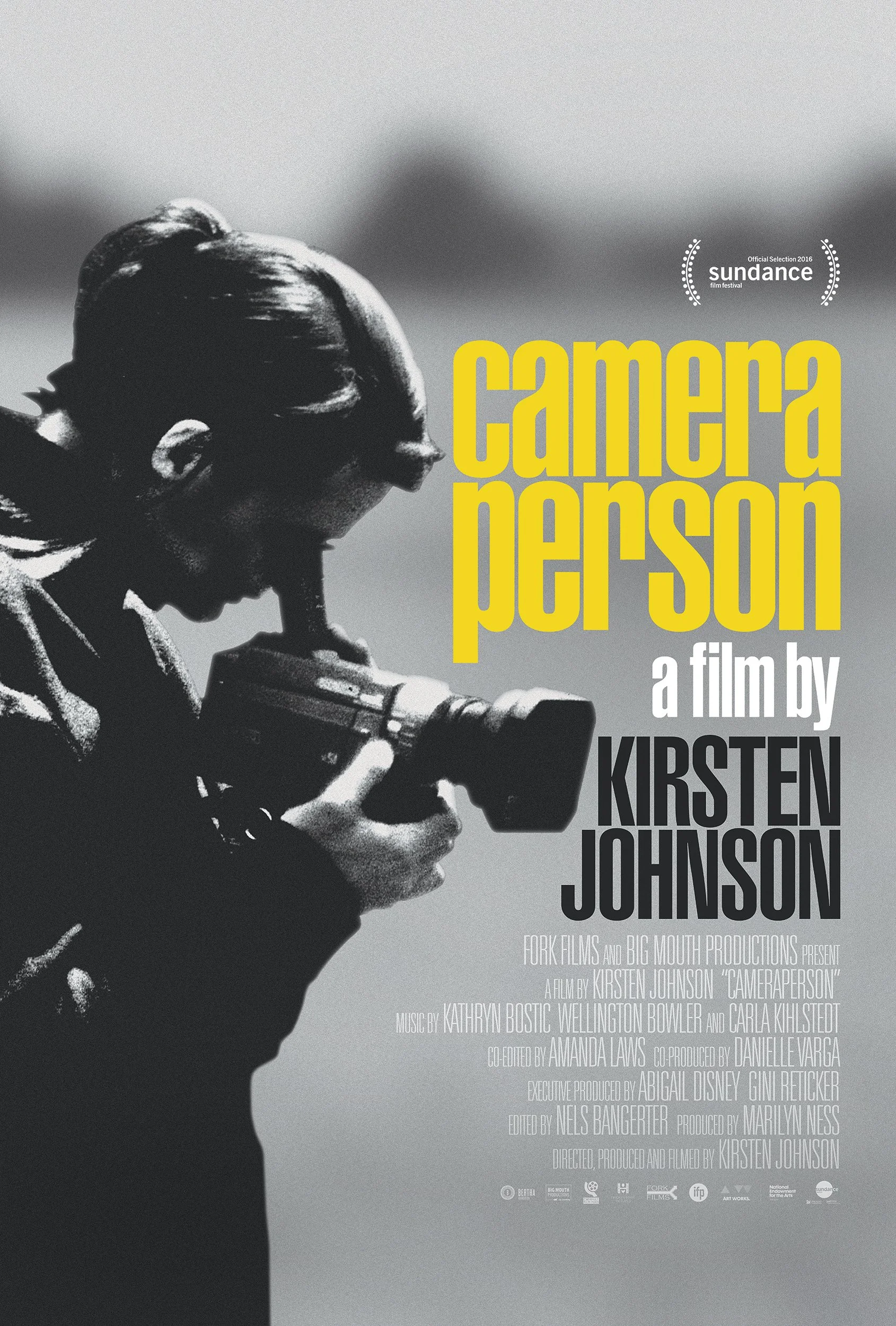
Cameraperson Poster
Lucie Kašová in (The Sailor, 2021) a slow paced, empathetic documentary on the declining years of free spirited, reclusive, solo sailor, Paul Johnson. The first seven minutes of the film, using unobtrusively placed fixed camera positions and strong use of ambient sound, the main character is introduced with no dialogue- perfectly capturing the pathos of his personal situation, his dignity, his need for privacy while also portraying his lifelong connection with the sea. The audience is gently lured in and then hooked as the dialogue begins.
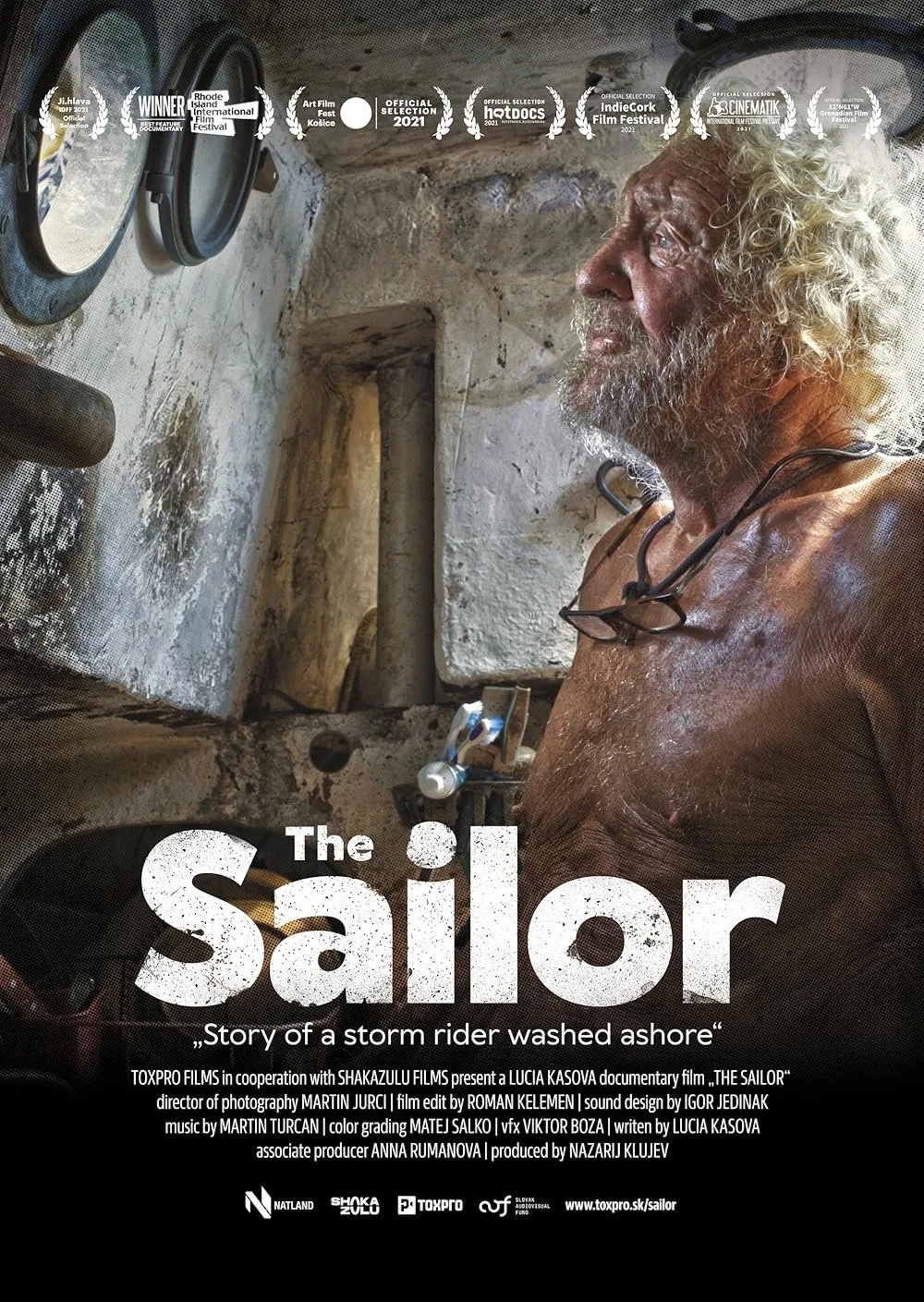
The Sailor Film Poster
This semester I have used some of the above techniques and applied them to my own work:
Timelapses:
To locate the wildlife, not only to a location with its changing light and weather but also to the eternal rhythm of the daily cycles of the sun and moon and the scale of connection beneath a night sky.
Night sky: https://vimeo.com/1176140799?fl=ip&fe=ec
Full Moon Setting: https://vimeo.com/1184546637?share=copy&fl=sv&fe=ci
Recording at length, at night and in remote locations became a personal reflective time for me. Accompanied by the organic sounds of the wind, and throughout the night, the calls of the moorland birds: the red grouse, the curlew, the snipe and the golden plover, it was clear that this was nature’s own soundtrack and no music would be necessary.
BTS: https://vimeo.com/1170333204?fl=ml&fe=ec
Locked-Off Camera:
Thinking of Ozu’s style, I scouted locations where I had observed birds perching and singing. In anticipation the camera was set up, the frame carefully composed, to wait for the bird to be enter stage. Keeping the camera still enables the viewer to take in more detail and be drawn in by the micro behaviours of the subject. Shooting at 100fps, when light allowed, enabled the birds motion to be slowed down enhancing the intimate portrayal of its aesthetics and behaviour. Sound was added at real time with the clip speed ramped to ensure beak synchronisation with the song.
Willow Warbler: https://vimeo.com/1184543674?share=copy&fl=sv&fe=ci
Slow Panning:
Unlike actors wildlife often do not even show up when anticipated and when they do rarely sit still for long. To convey an animal in movement is part of its aesthetic and wonder. Sound is used for pace and movement ie slow call of a curlew when it is landing.
Curlew: https://vimeo.com/1171750672?fl=ml&fe=ec
Reflection:
I found this approach influenced my choice of location and shot selection. Composition became paramount as did the necessity to have good natural sound accompaniment. This often resulted in no-shows or weather spoiled shoots but also in better quality of the few successes. Sound almost invariably had to be recorded on a separate occasion (again with the same challenges). I believe the results are, as hoped, more immersive and conducive to my chosen narrative style. I think, when circumstances allow, I could hold the shot for longer and, when thinking of sequencing, could intersplice with long timelapses and strongly composed locational views. Interestingly, looking through footage from earlier in the year I realised I had very few clips of sufficient length to suit a more reflective final project.
I’d like to add more drama by using timelapses of changing weather and light and will try and record a series of dusk to dawn pieces to provide framing for intimate mini-narratives or scenes.